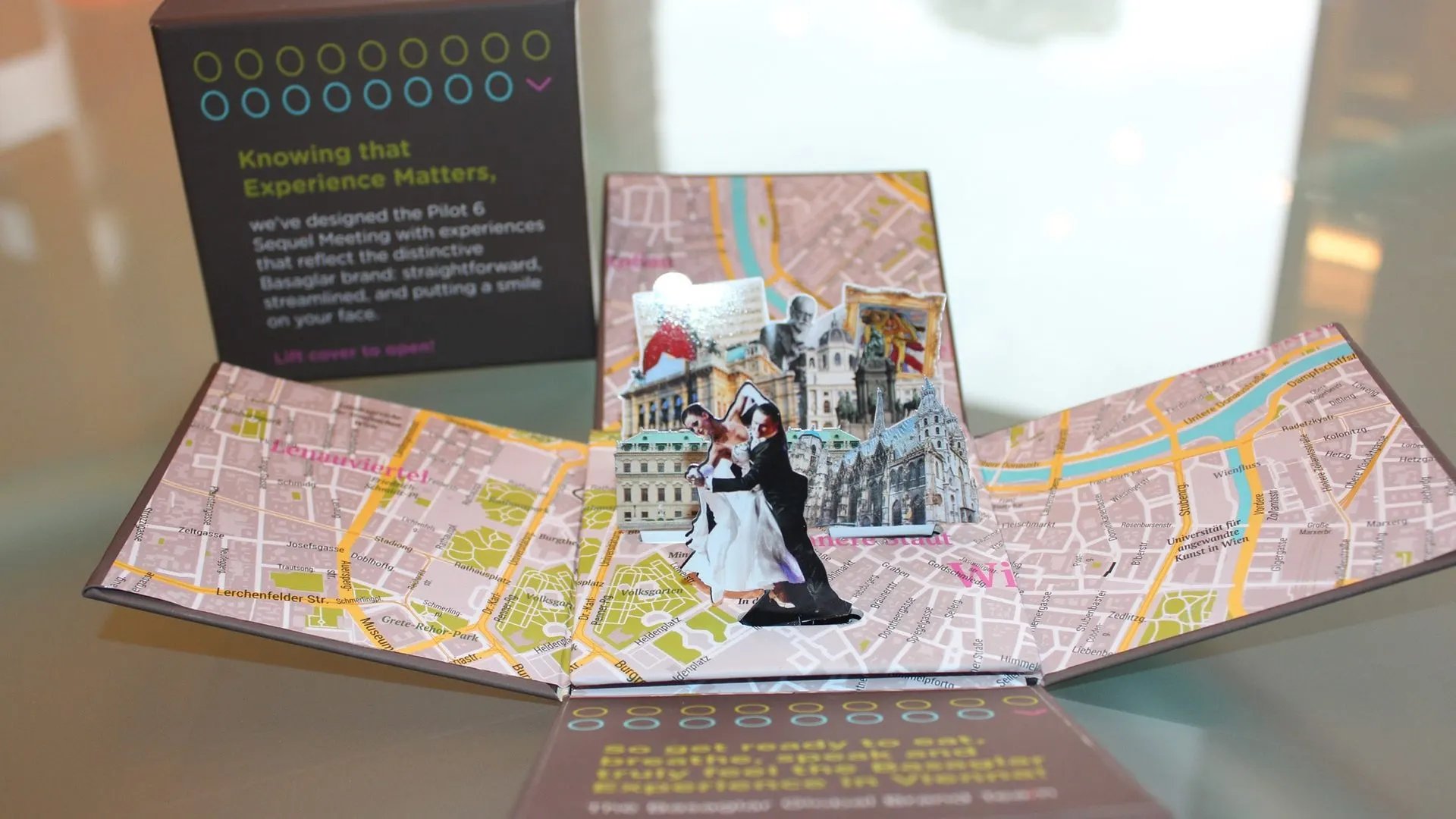


01 · Behind the scenes
From brief to message map
How a complex brief becomes a clear hierarchy of messages: the audience need, the central message and the proof behind it.


How we deliver · Creative Strategy & Messaging
Connect the business objective with an idea people can understand, feel, and carry forward. Strategy gives the experience its purpose; messaging gives it a voice.
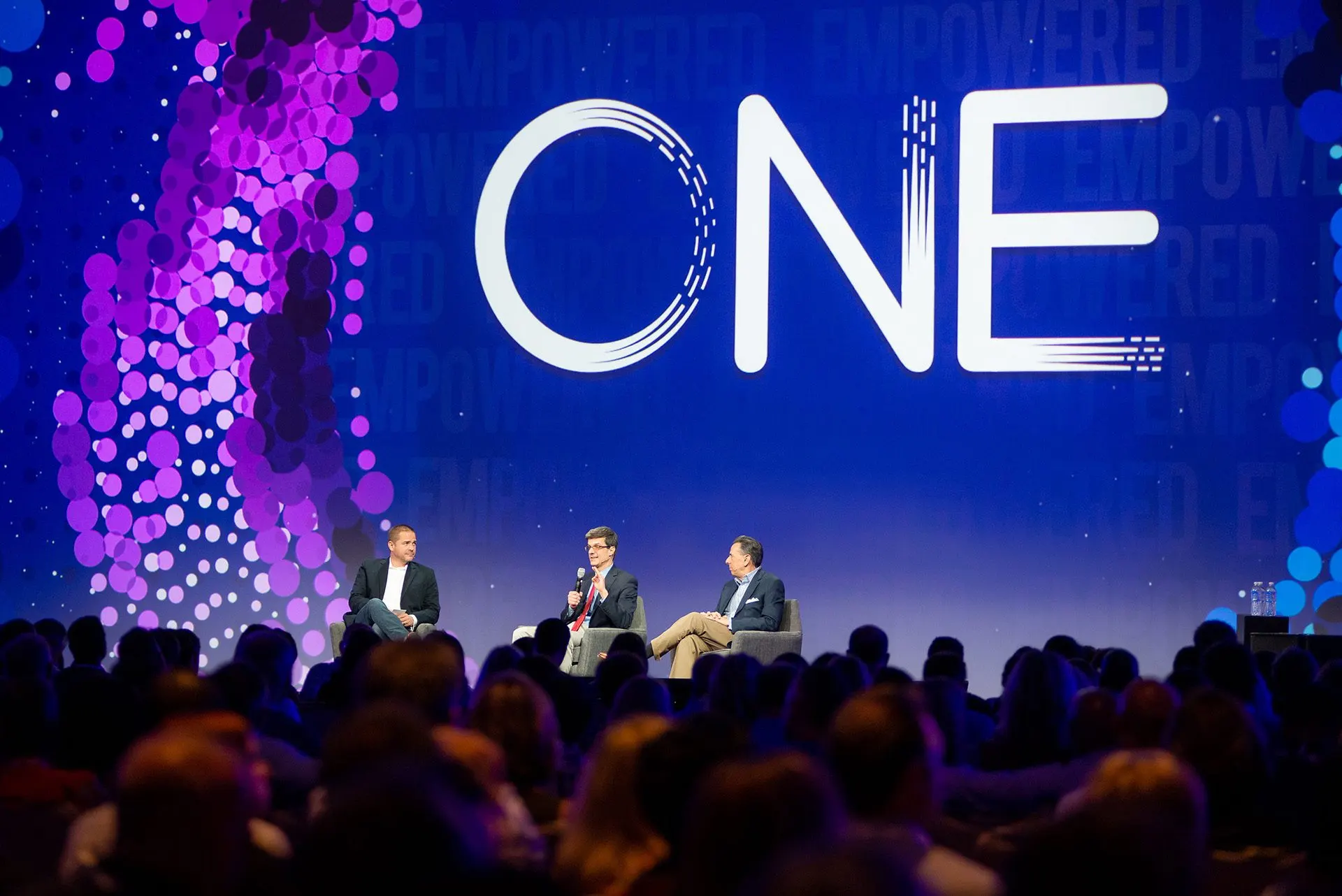
What it includes
The central idea has to travel: through the narrative, the content and every moment of the experience. We shape the pieces your brief needs, not a fixed package.
Stakeholder discovery, audience priorities, barriers, and the change the experience needs to support.
A central narrative, supporting messages, proof points, and a clear hierarchy for different audiences.
An organizing idea, experience theme, and concept rationale tied to the brief.
Presentation narratives, scripts, storyboards, and the editorial connection between moments.
Creative direction, event identity, and a consistent visual language across environments and content.
The sequence of messages and experiences before, during, and beyond the live moment.
Tools & formats
How we approach it
A creative process that shows you the decisions behind the design, not just the final reveal.
Clarify the brief, audience, business context, existing research, and constraints.
Agree the desired audience response and the message the experience must make clear.
Develop creative territories with a rationale, not just a set of visual treatments.
Translate the chosen direction into the narrative, experience, and content system.
Review against the brief, resolve feedback, and prepare approved material for delivery.
What you can expect
You’ll always know what you’re reviewing, what input helps most and how the story stays connected. Dates and review rounds are set in your project plan.
What we’ll need from you
Audience, objectives, brand inputs, and known approval requirements.
What you’ll get
Shared brief and decision owners.
What we’ll need from you
Feedback on the concept’s fit with the audience and objective.
What you’ll get
Creative territories and a documented direction.
What we’ll need from you
Subject-matter input and consolidated stakeholder feedback.
What you’ll get
Message map, narrative, scripts, or storyboards.
What we’ll need from you
Approval of final content and any documented changes.
What you’ll get
Versioned content and creative context for production.
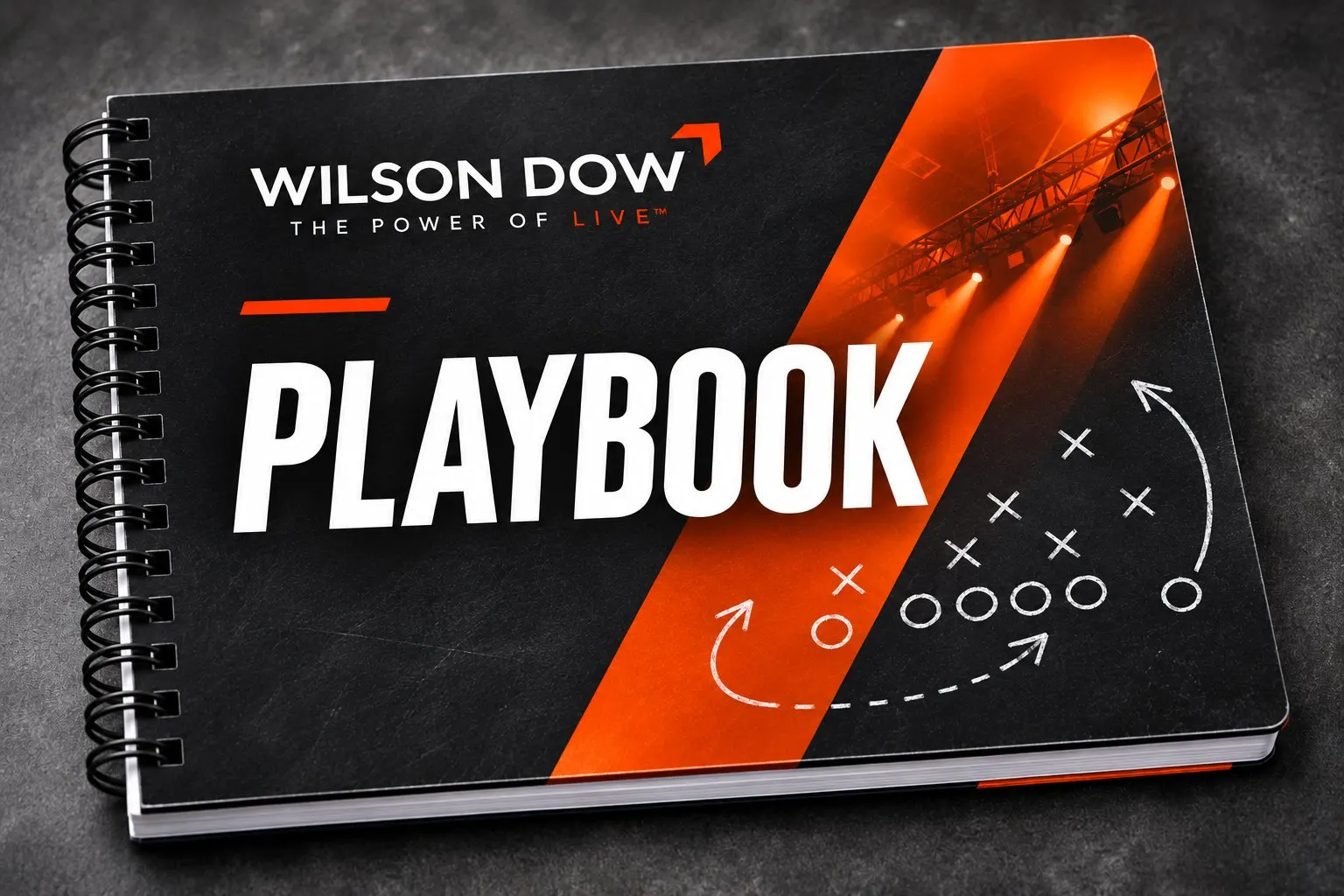
Strategic offering · The Playbook
A proactive, forward-looking study that defines what customers, prospects and partners want from your experiences, and why.
Primary research into how your personas define success, value and long-term business gain.
An event audit plus moderated stakeholder interviews to drive future-forward alignment.
Analysis of similar events to find ways to differentiate and elevate the strategy.
Inspiration from other industries and pop culture to inform experiences and audience expectations.
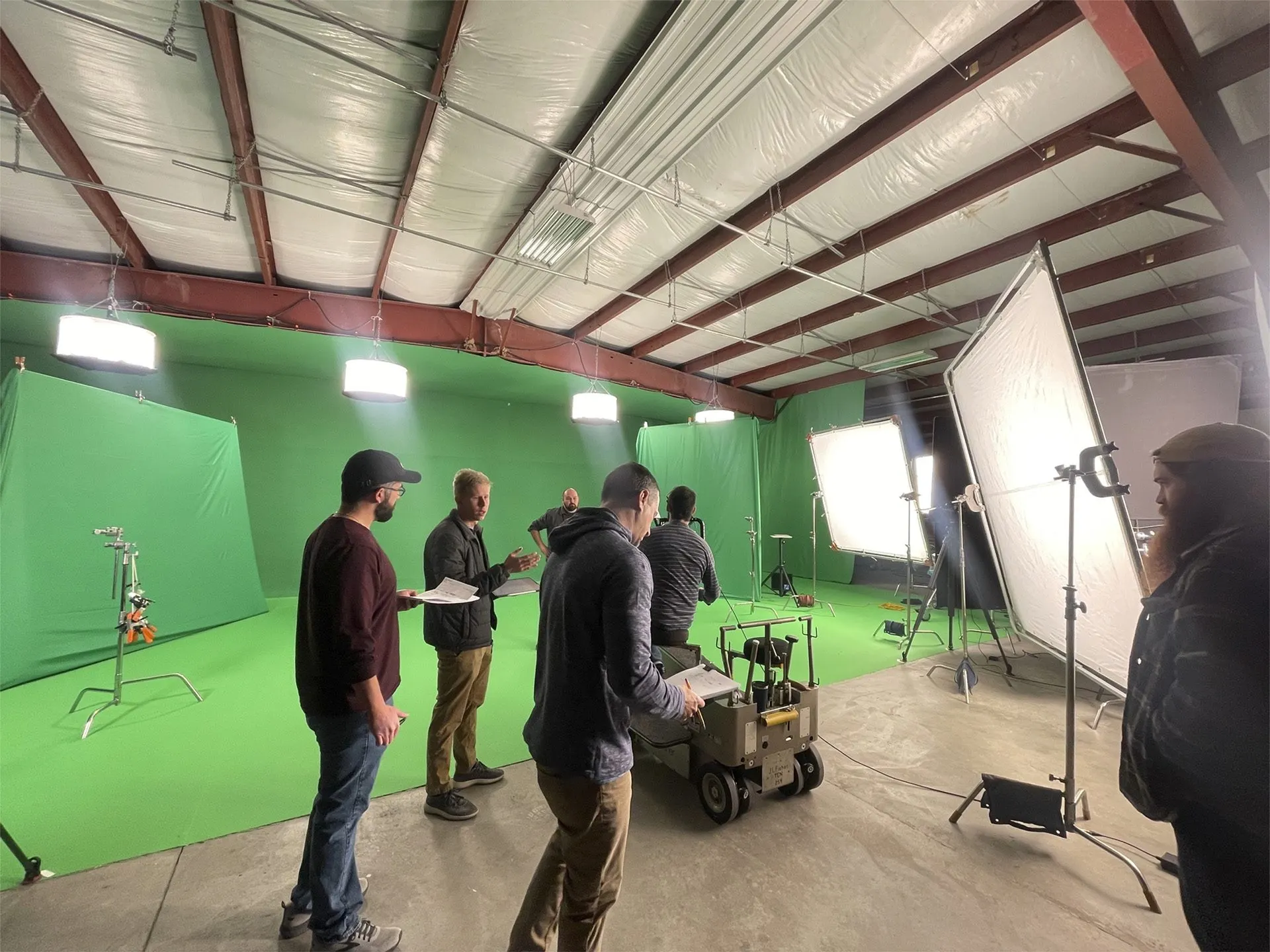
The people behind it
The kinds of expertise that come together on this work. The exact team is shaped around each engagement.
Connects business intent, audience needs, and the creative brief.
Guides the concept and its expression across the experience.
Shapes the message, narrative, and speaker content.
Develops the visual system and translates ideas into usable assets.
Behind the scenes
A look at the working craft behind the finished experience.
01 · Behind the scenes
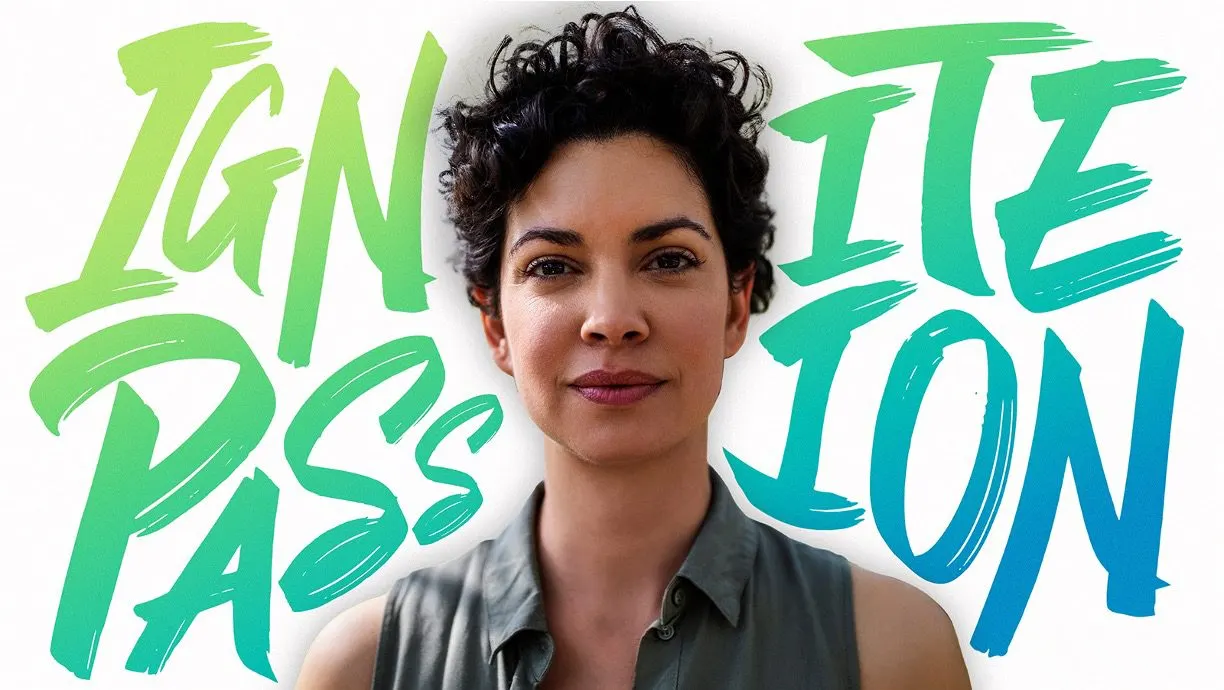
How a complex brief becomes a clear hierarchy of messages: the audience need, the central message and the proof behind it.
02 · Behind the scenes
Why a creative direction fits the brief, not just what it looks like: the territories we explored and the one we chose.
03 · Behind the scenes
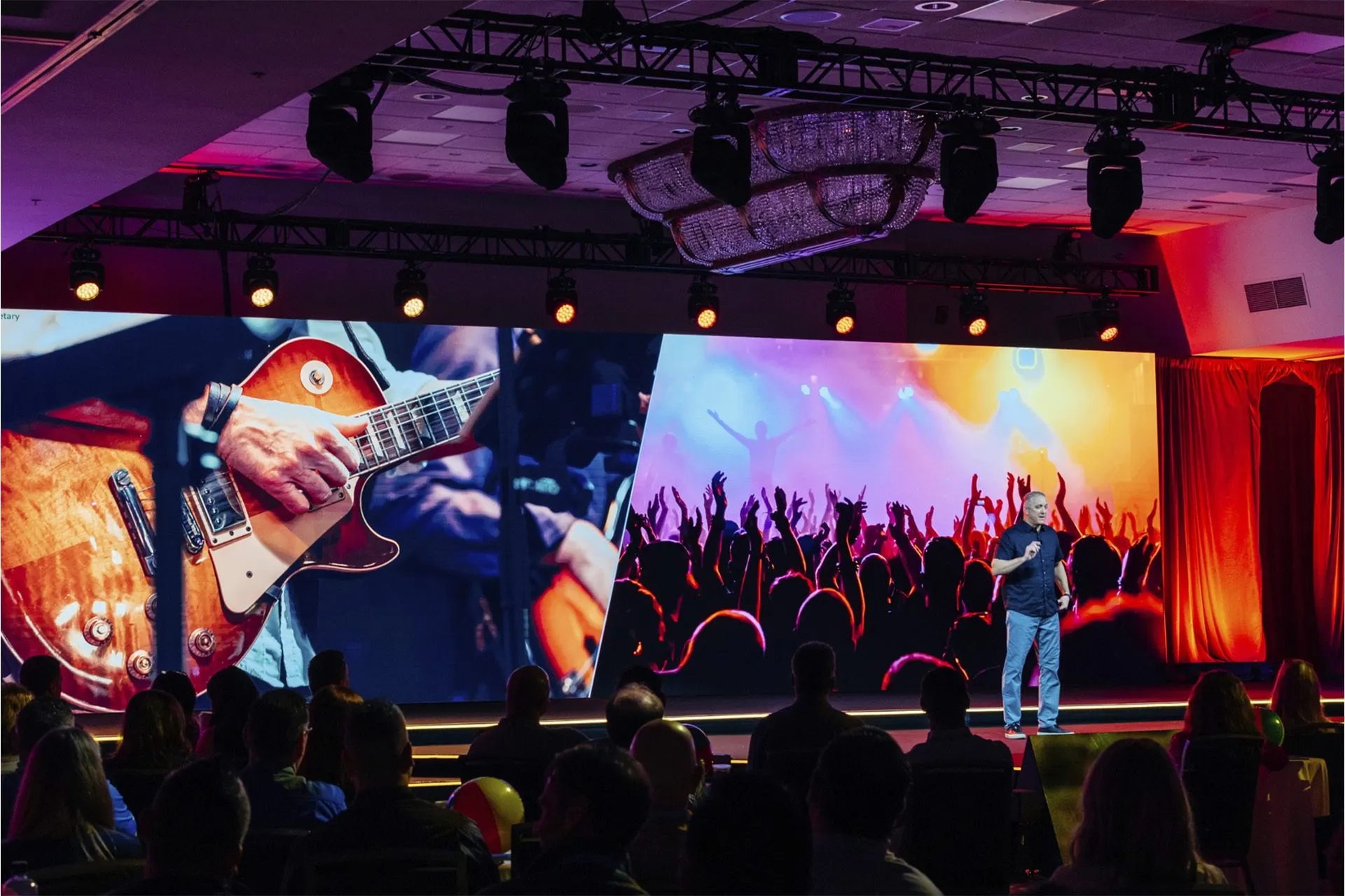
How a script or storyboard becomes the finished moment on the mainstage.
Featured proof
Royal Caribbean · Icon of the Seas
An hour-long unveiling of Icon of the Seas with Lionel Messi: one central idea carried from the stage to a global audience.
Quality & delivery discipline
The working checks that keep the work on brief and on track.
Every major creative choice is checked against the audience, objective and constraints agreed in the brief.
Clear ownership for message accuracy, brand consistency, speaker review and any specialist approval you require.
Feedback is consolidated, decisions are recorded and approved content is clearly identified before handoff.
Permissions are confirmed for source material, imagery and quotations, including anything planned for public use later.
How the disciplines connect
Four in-house capabilities that work around your brief. Bring in one, or all of them.
Defines the story and the intended audience response.
Turns the idea into an environment, a show, and a delivery plan.
ExploreExpresses the story through media and useful interaction.
ExploreTurns key messages into practice and application.
ExploreQuestions worth answering
Practical questions about creative strategy and messaging.
An existing platform can be an input to the brief. Review its audience, rules, available assets, and gaps before deciding what should carry through and what needs development.
Define their review role early. A content plan should identify who supplies technical information, who resolves feedback, and who approves the final message.
We agree decision owners, review points and feedback channels in the project plan, sized to the work, rather than a fixed number of concepts or rounds.
Use the same audience objective and central narrative to frame the related work. The scope should spell out which content and experiences are included and which are handled by other partners.
Applied across our solutions
Start a conversation
Bring the business challenge, the audience, and the message that needs to become an experience.